Springfield Elite Drywall & Plaster

Drywall Services in Springfield, MA

Residential and commercial drywall — each entry links to a full breakdown of cost, process, and what to expect.

Water Damage Drywall Repair

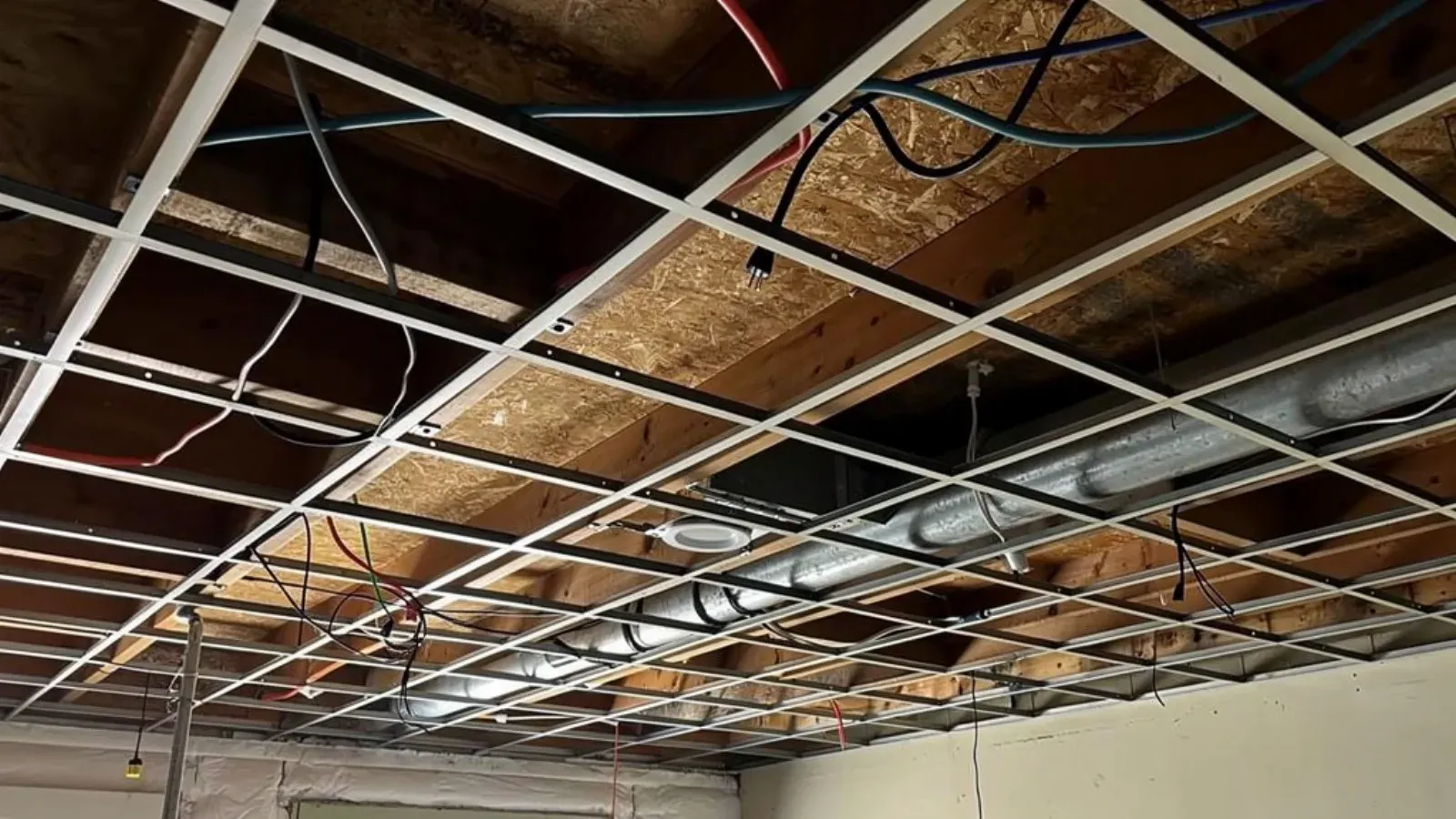
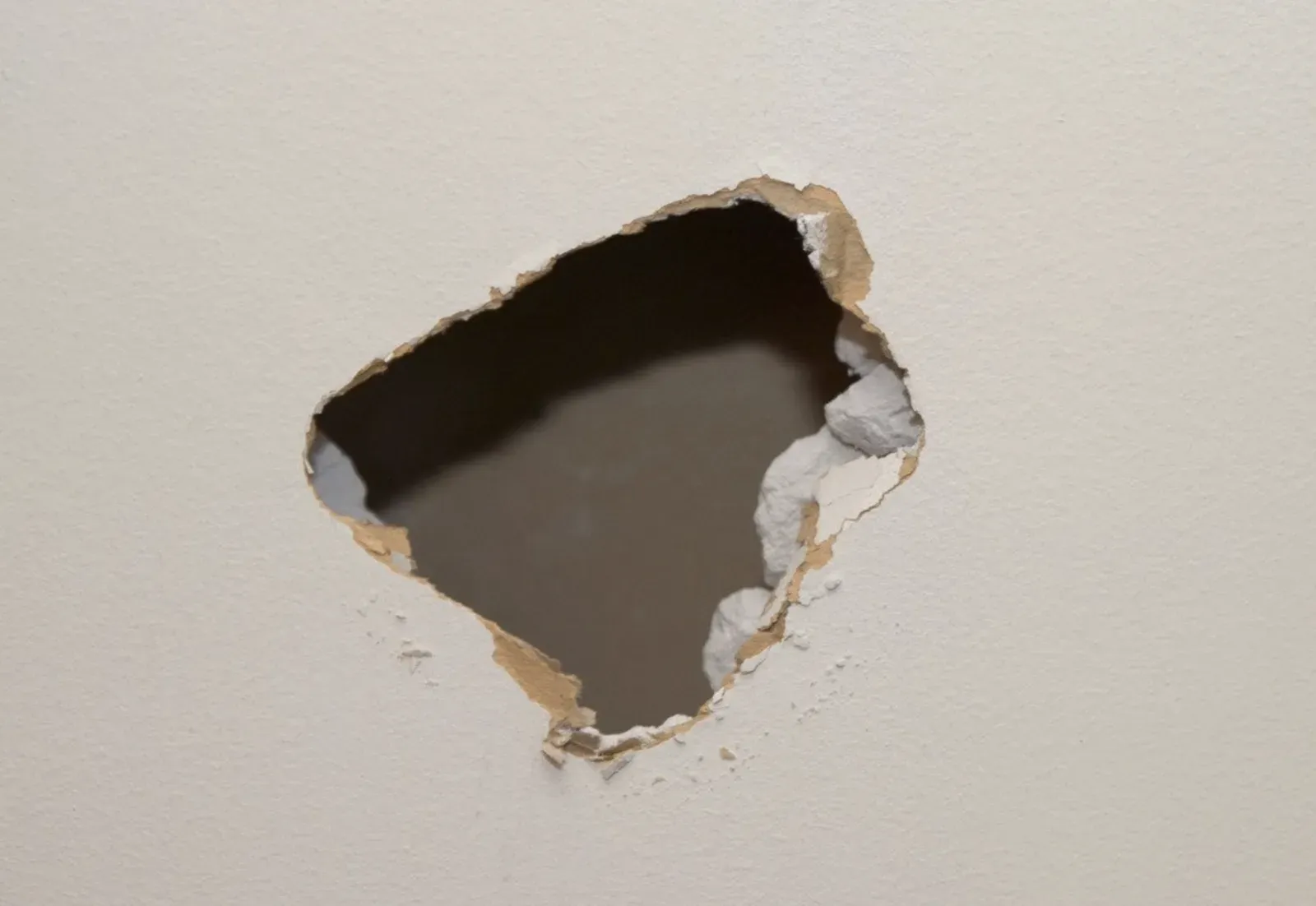
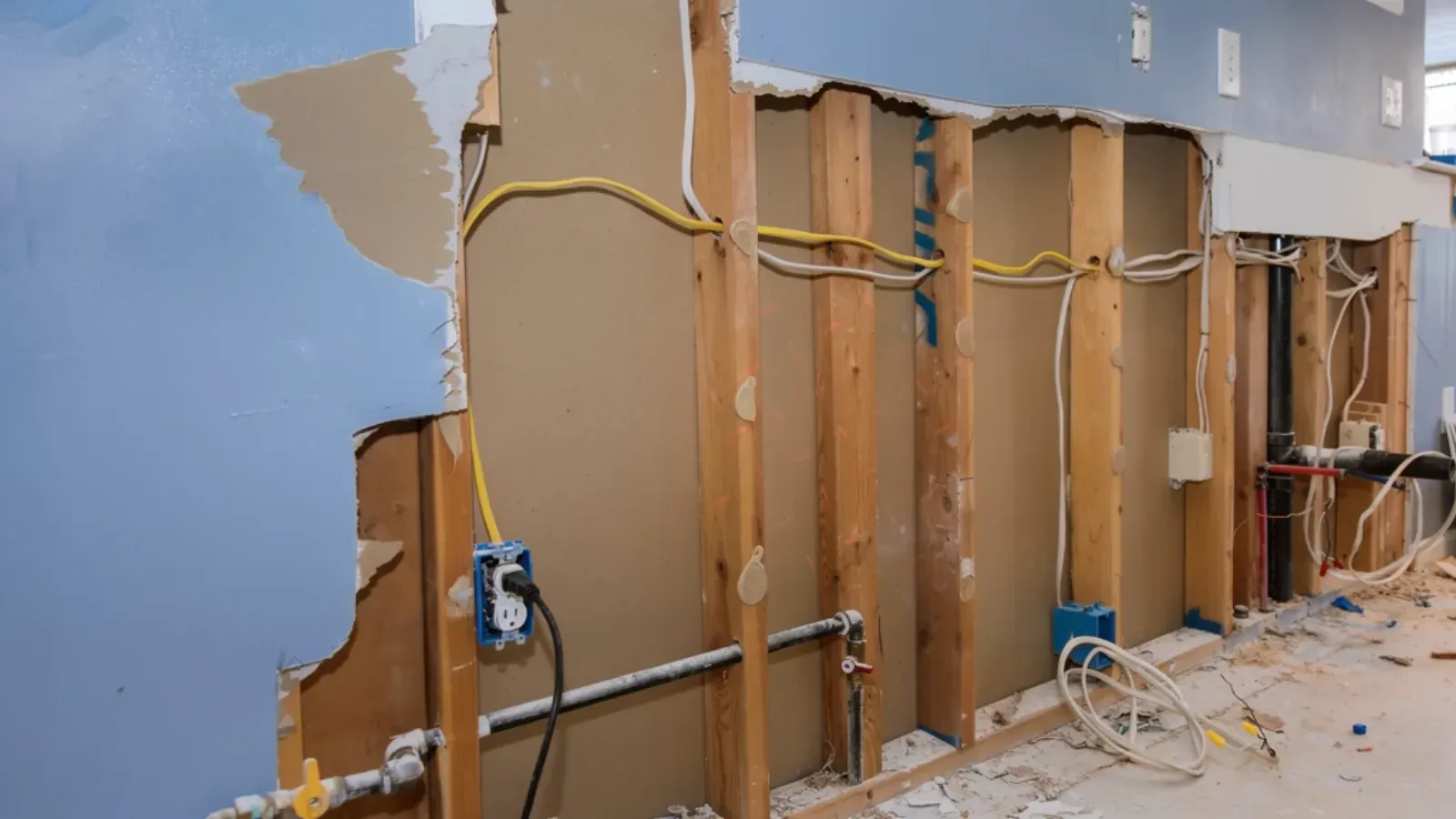
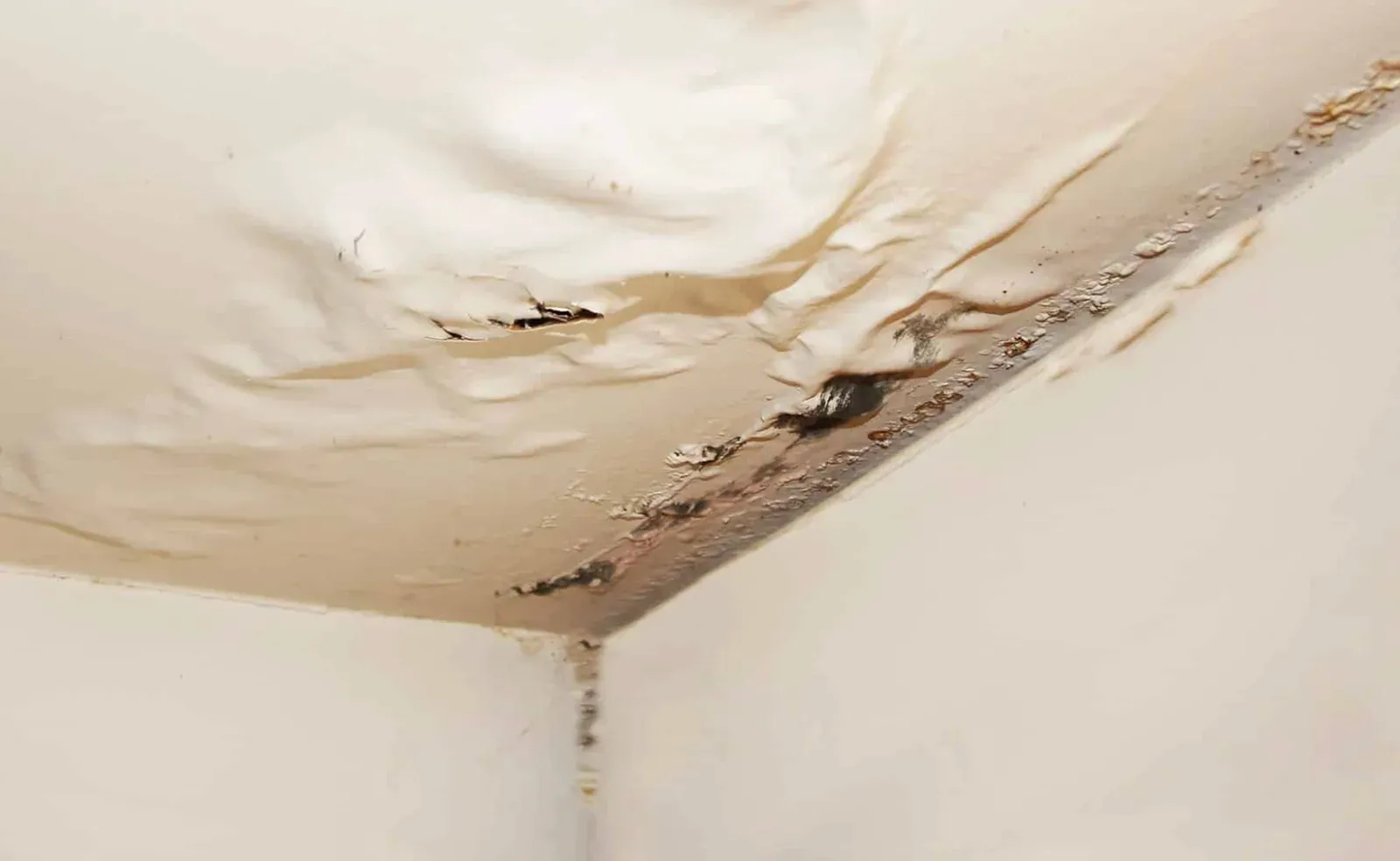
A brown ring spreading across a ceiling or drywall gone soft after a burst pipe is rarely just cosmetic. Gypsum board loses structural integrity within hours of saturation, and mold can begin colonizing a wet cavity within a day or two in Pioneer Valley humidity. Springfield Elite Drywall & Plaster diagnoses the source and extent of the damage with a moisture meter before opening anything up, then cuts back to sound, dry board rather than patching over a compromised area, because closing up a still-wet cavity is what turns a repair into a mold job six months later.

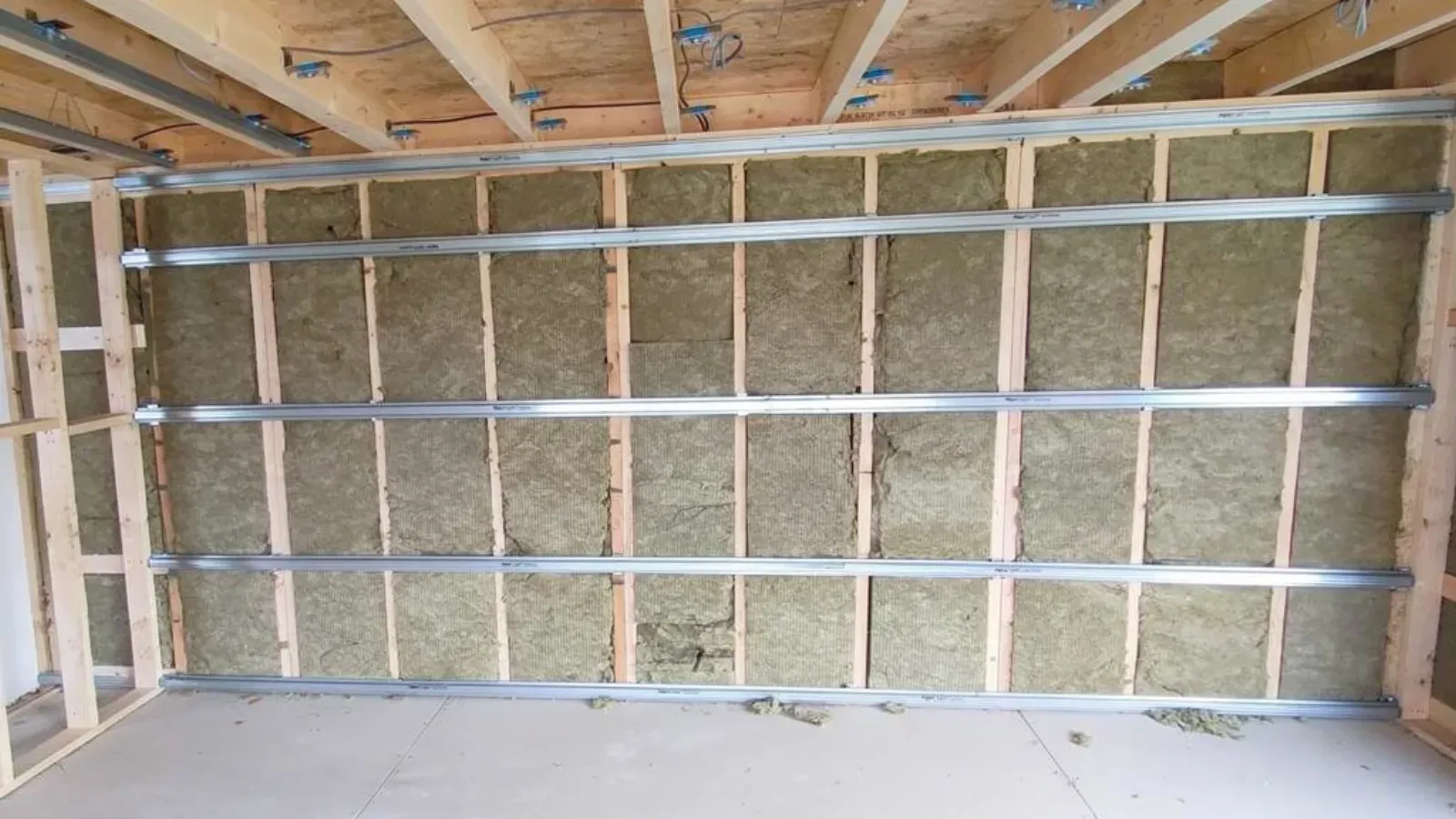
Framing and any remaining plaster or drywall are dried and verified below roughly 16 percent moisture content before new material goes in. New board goes back in as standard Sheetrock, moisture-resistant purple board, or Type X depending on the location, and seams are taped, coated, and sanded to a Level 4 or Level 5 finish so the repair blends into the surrounding wall or ceiling instead of reading as a patch under raking light.

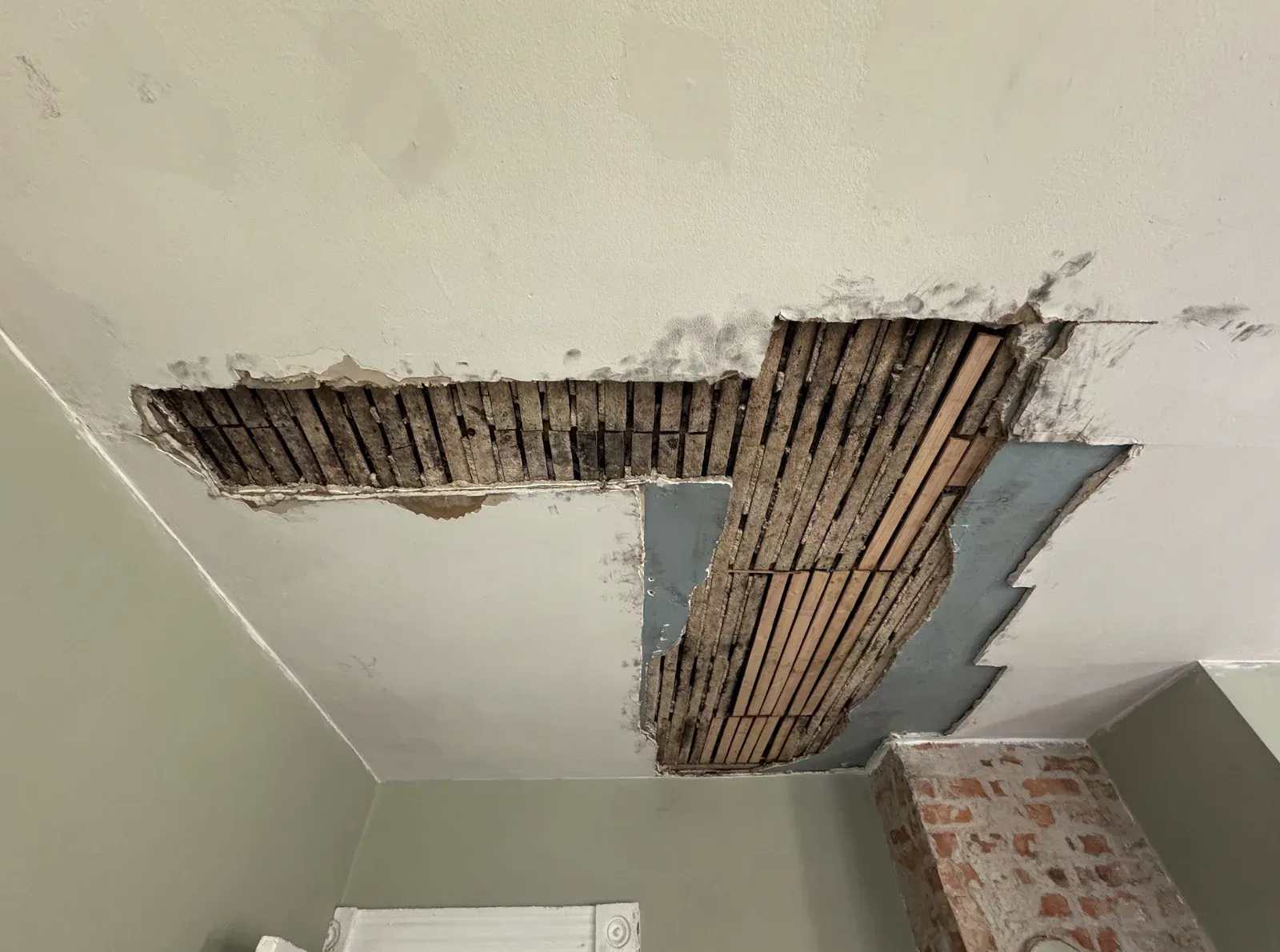
This shows up across Springfield in predictable patterns: original lath-and-plaster ceilings taking on water in McKnight and Forest Park, a leak on a three-decker's top floor traveling down through two more units in the North End, Brightwood, and Mason Square, and ice-dam staining along the eave lines of Sixteen Acres and East Forest Park ranches every winter. Landlords get a wet unit ceiling handled without displacing a tenant, and homeowners filing a claim get the moisture readings, photos, and written scope an adjuster typically requires.

Not every water stain calls for a full cut-out. A contained spot where the source has already been fixed is often a straightforward patch and finish match, while damage that has traveled along the framing or spread across multiple joist bays needs a wider cut-back to avoid leaving hidden wet material behind the new board.

See how it works

Mold Drywall Replacement

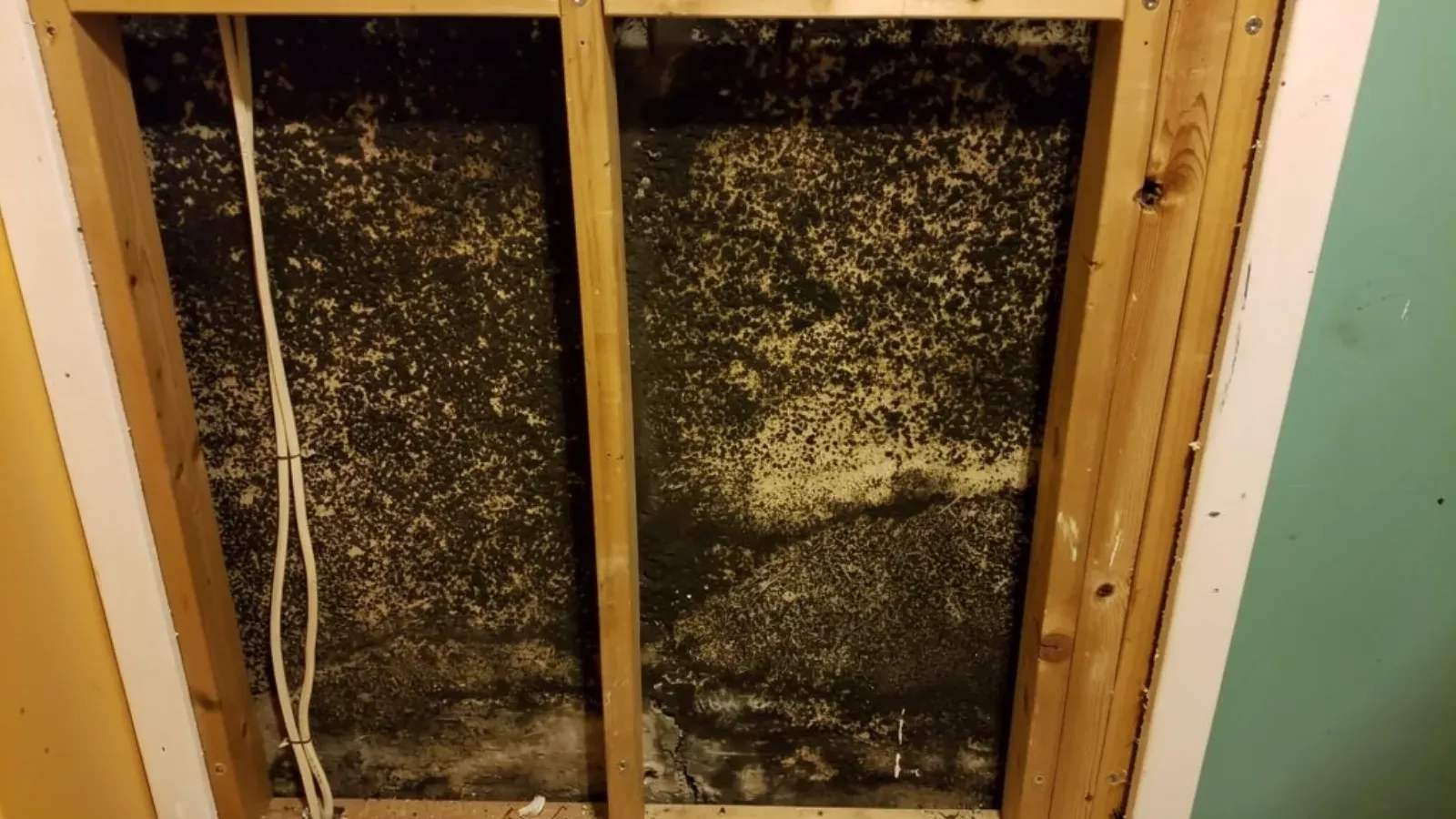
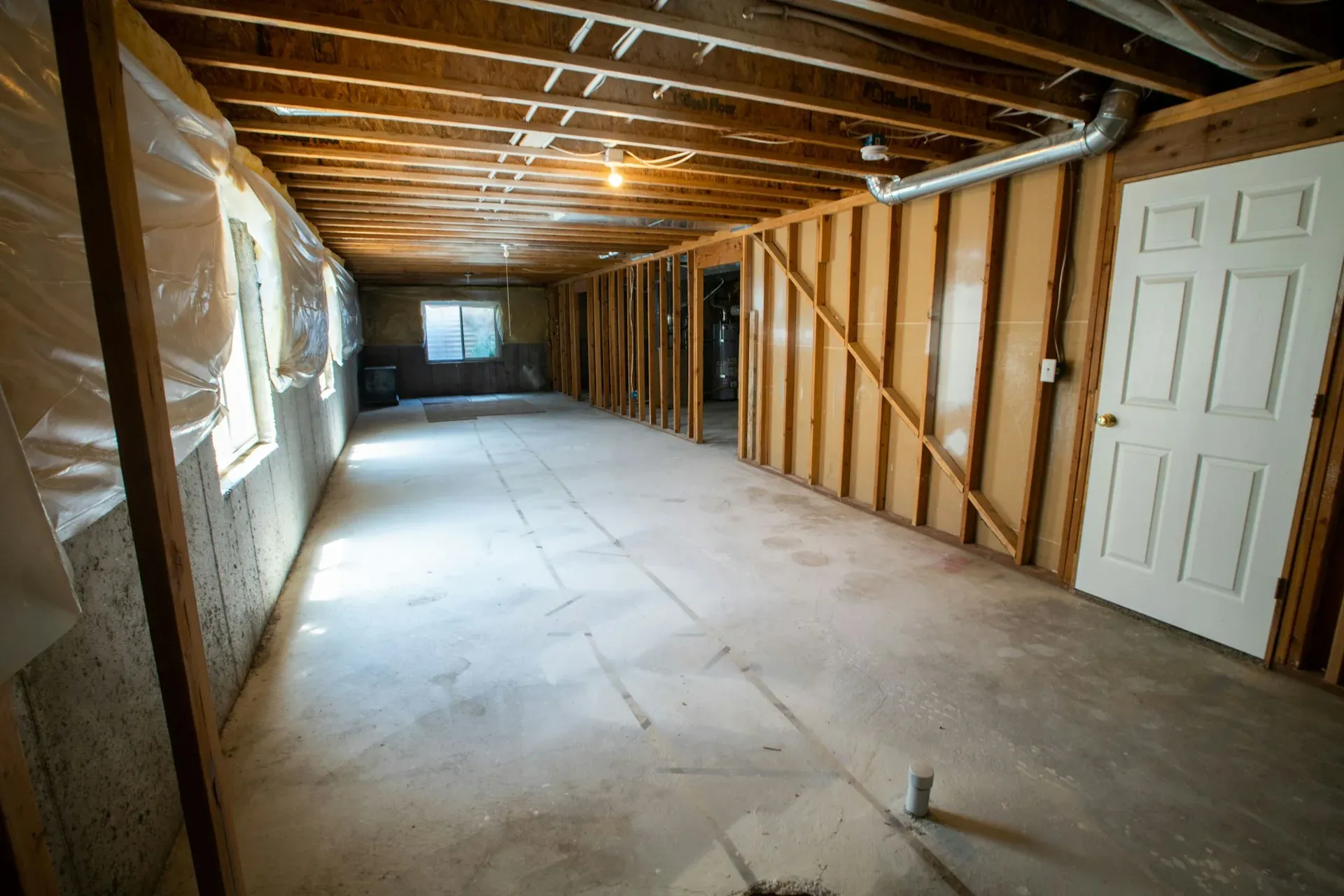
Dark speckled patches spreading across a basement wall, a musty smell that gets stronger after rain, or drywall that feels soft and bows near a plumbing line usually means mold has already colonized the material behind the paint. Springfield Elite Drywall & Plaster removes drywall that mold has affected, verifies the framing behind it is dry, and rebuilds the wall or ceiling with mold-resistant board once the actual moisture source, a foundation crack, a slow supply line, or poor grading, is identified and fixed.

The diagnosis starts with a moisture meter, not a demo saw, so the cut line follows how far the dampness actually traveled inside the cavity rather than just the visible stain. Where the affected area is small and contained, this is a straightforward drywall repair. Where mold has spread past roughly ten square feet, tracked into HVAC returns, or the job involves a real estate transaction that needs documented clearance, Massachusetts guidance calls for a licensed mold remediation professional to handle containment and removal first, and this crew says so plainly rather than take on work outside its scope.

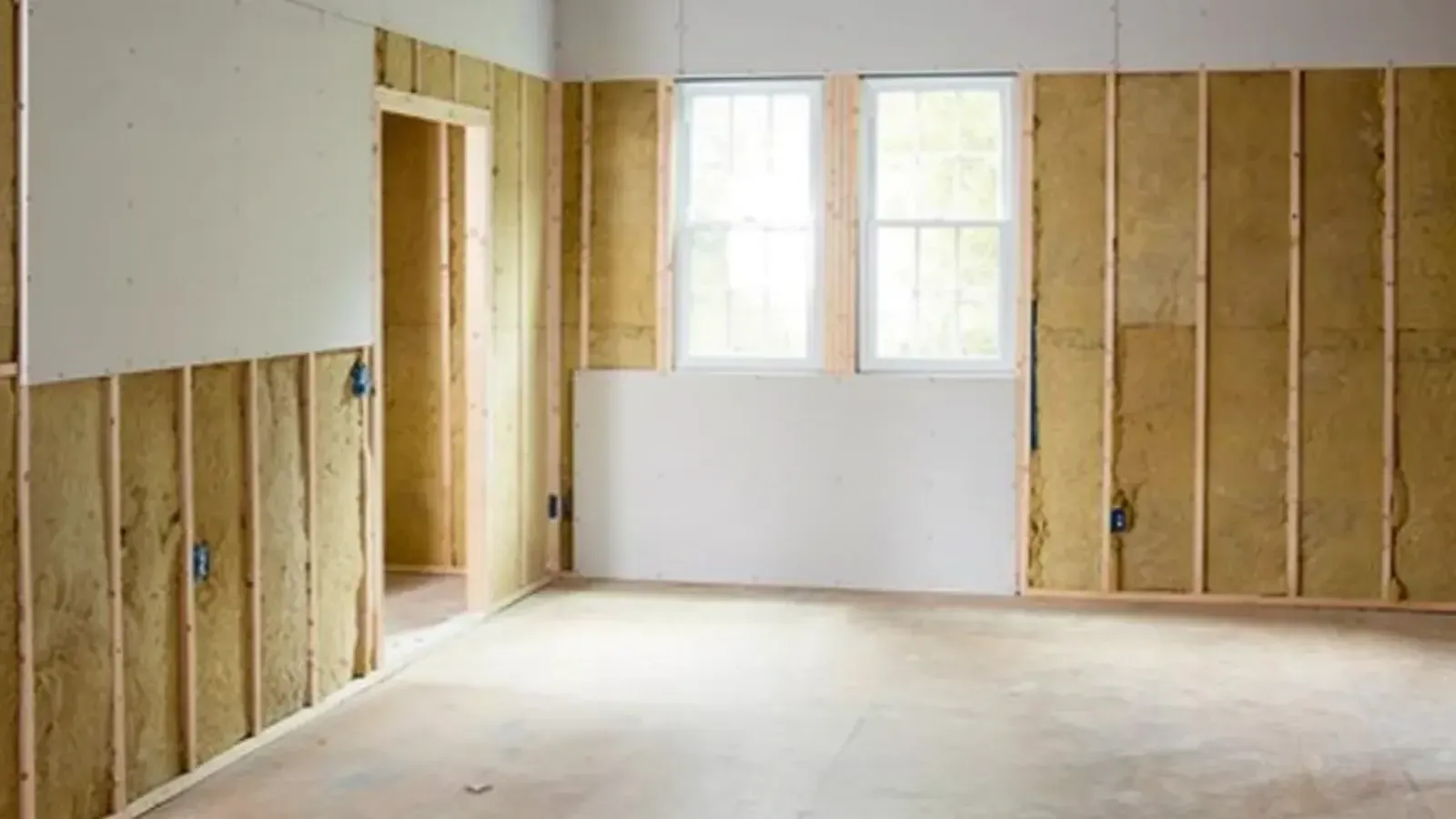
Springfield's older housing stock sees this often. McKnight and Forest Park's plaster-era homes with fieldstone foundations let basement humidity creep into finished rec rooms, North End and South End three-deckers can carry a slow leak from one unit into a ceiling stain in the unit below, and Sixteen Acres basements run damp through a Connecticut River valley summer without a dehumidifier keeping up. Once the framing reads dry, the rebuild goes up in mold-resistant board like USG Mold Tough or Gold Bond XP, finished to match the space.

See the full mold-removal process

Plaster Repair & Plaster-to-Drywall Conversion

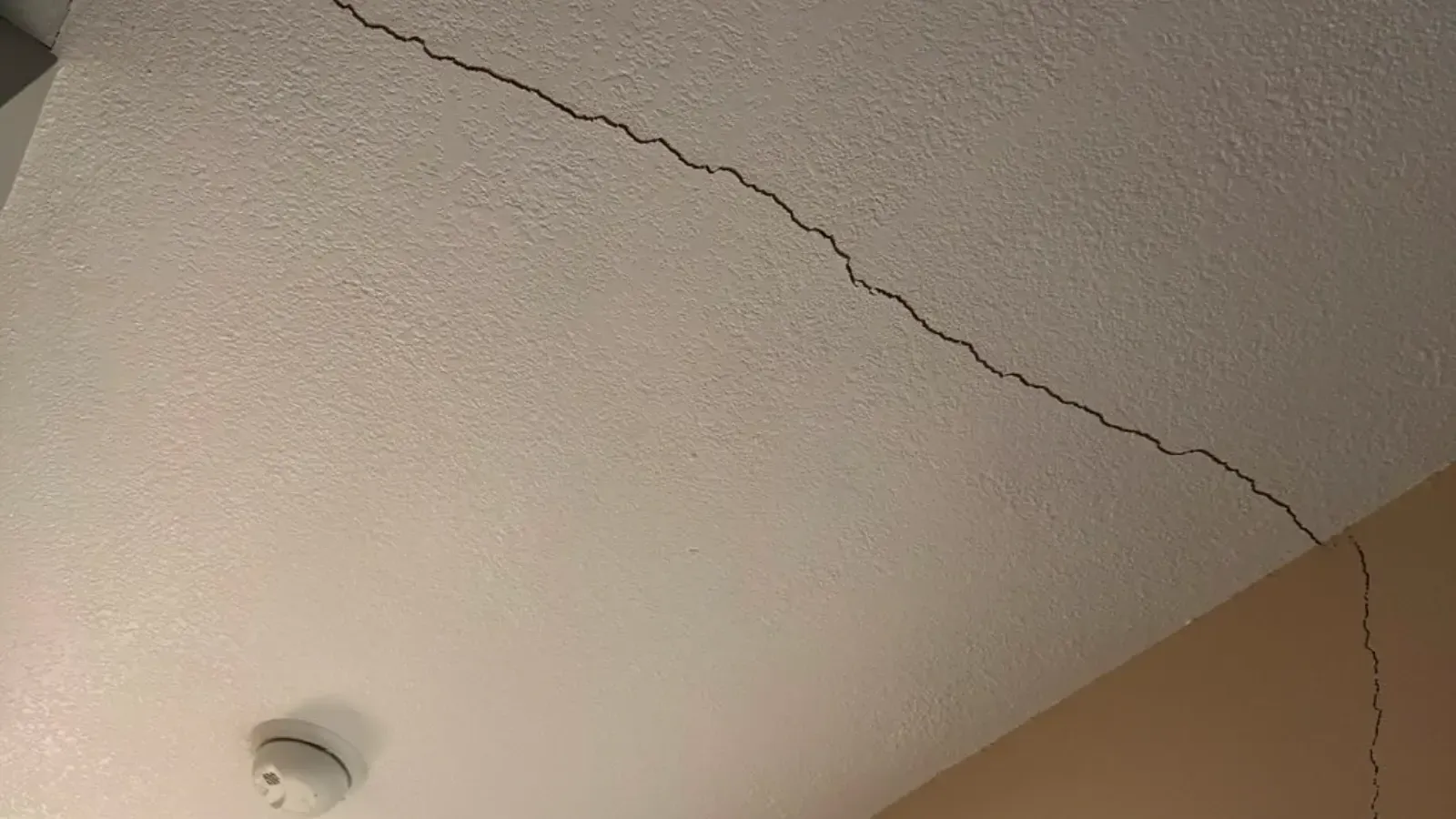
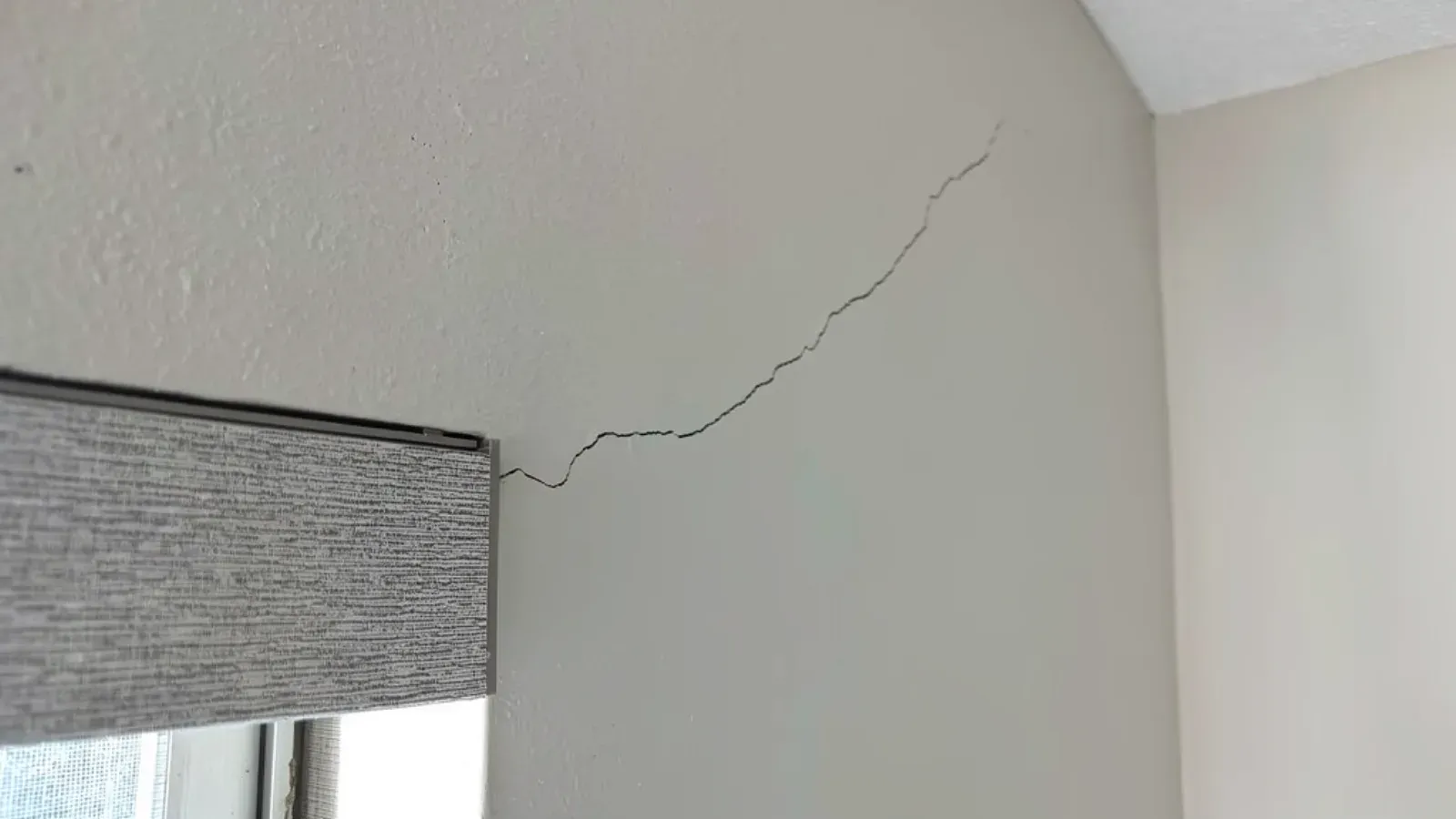
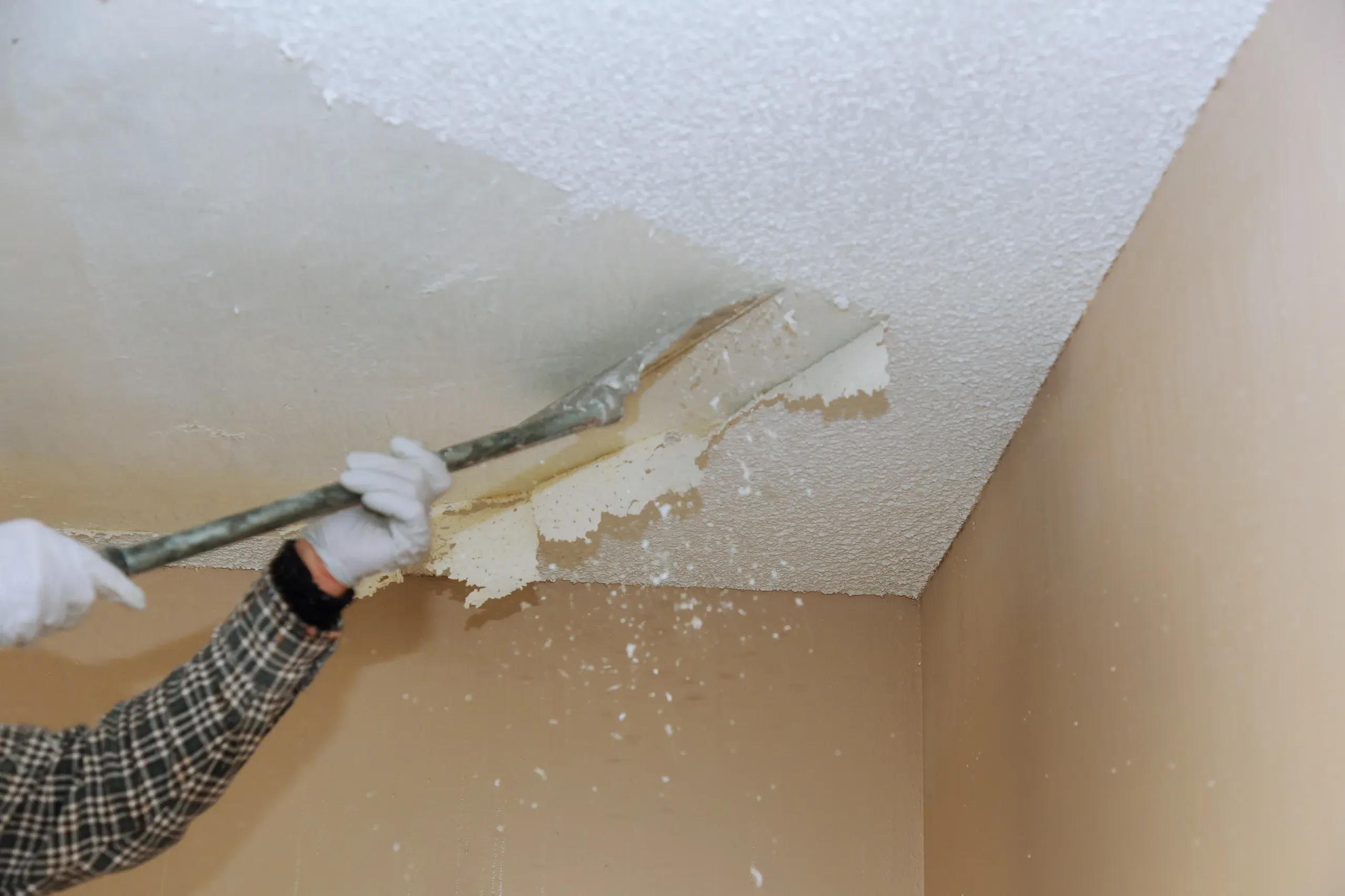
Plaster repair in an older Springfield home comes down to one decision made honestly, wall by wall: save the original plaster, or convert it to drywall. McKnight Historic District and the blocks around Forest Park carry some of the city's densest stock of Victorian-era lath and plaster, built roughly between 1890 and 1925, and three-deckers throughout Springfield's older neighborhoods carry the same system unit after unit. Plaster fails in a specific way: it loses its grip on the wood lath behind it, the small keys that lock it in place, and the wall or ceiling starts to crack, sag, or sound hollow when tapped. A generic drywall crew treats every failing wall as demo, but sound plaster is worth saving. Springfield Elite Drywall & Plaster taps and presses the surface first to map where the keys have actually let go, then re-secures what's sound with plaster washers, fills and reinforces the cracks, and skim coats the wall back to a smooth, paintable finish. Plaster that's too far gone gets converted, stripped to the framing or lath and replaced with blue board and veneer plaster or standard drywall, finished to match what's left of the original surfaces around it. Because most McKnight and Forest Park homes predate 1978, lead paint is a real possibility under later coats, so EPA RRP lead-safe containment and disposal is standard practice on any plaster that gets cut, sanded, or removed. Conversion work on a larger scope typically runs through the City of Springfield Building Department under 780 CMR, and that permitting is handled as part of the job. What a homeowner is buying, whether it's a single recurring crack in a McKnight Victorian or a full three-decker unit conversion, is an honest read on which walls actually need saving, and a finish that respects the house instead of fighting it.

Get an honest plaster call

Get a fast, no-pressure quote

Call or send a few details — we serve Springfield and the surrounding area.

Call (413) 331-7815

Call Now